The World of Evernyth
The world that was here all along — just past the veil, closer than your own breath.
What is Evernyth?
Evernyth is not a faraway kingdom you have to be chosen for. It's the world just past the veil — Ever and nyth, an old word for nest: the place you came from, and the place you keep trying to get back to.
Most people walk right past it. They feel it only in small things — the shiver when someone says your name a second before the phone rings, the door that opens at just the right moment, the sense that there's more going on than anyone's saying. The world calls that coincidence. Evernyth calls it a door.
Because here is the secret the Department has kept a very long time: the enchantment was never somewhere else. It was in you. It doesn't switch on when you're clever enough, or good enough, or lucky enough — it switches on the moment you choose to believe it's real. The moment you look.
You don't have to earn your way in. You were always in. You simply hadn't looked yet.
The Five Constellations
Long ago, five great guardians crossed from the stars, each carrying a constellation on its back. They laid those patterns over the Earth and drew back into the sky — but they return for the moments that matter. Look up on a clear night, and you are looking at them still.
Everyone in Evernyth belongs to one of the Five — not by where you are placed or how powerful you are, but by how you see.
The Five, together
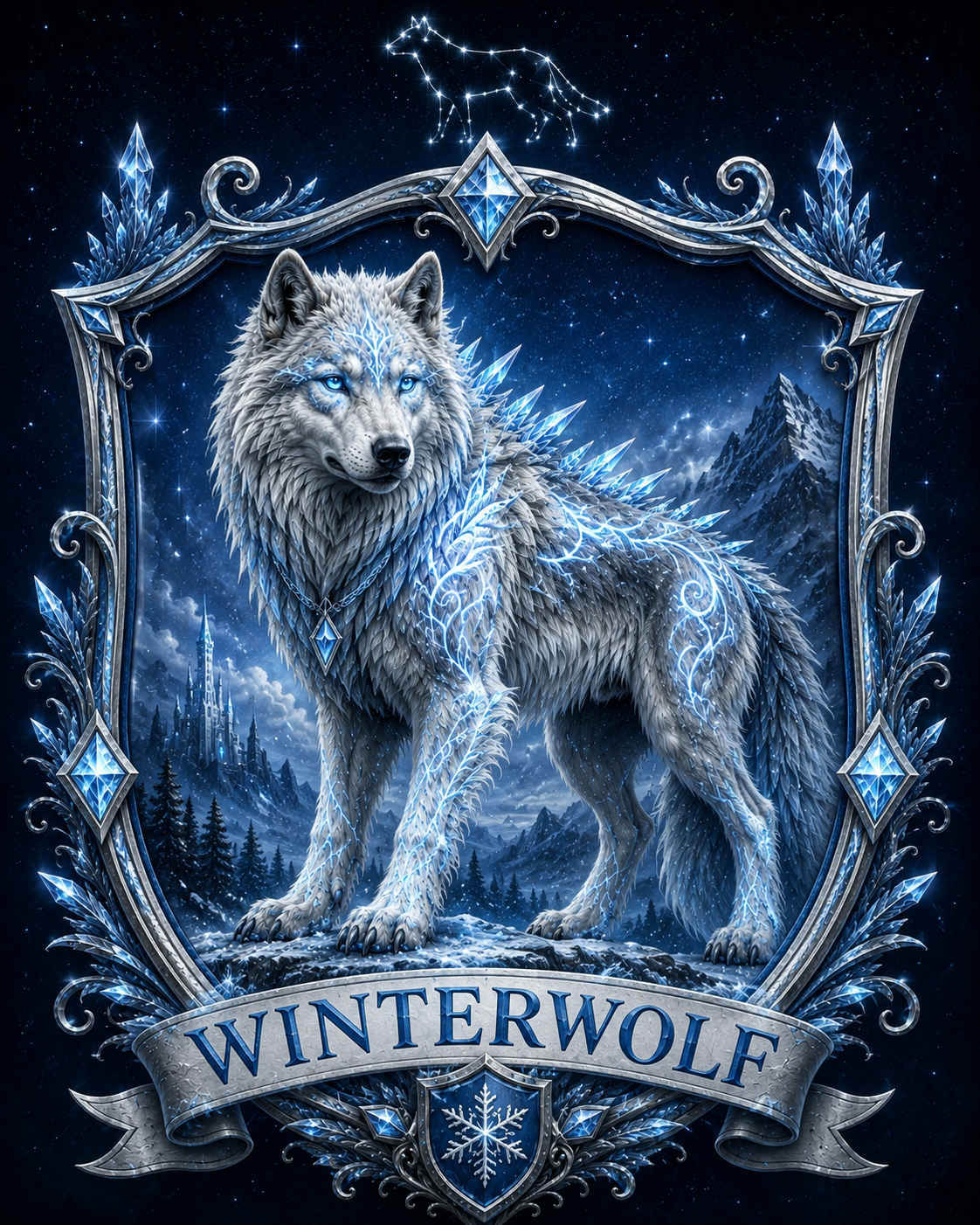
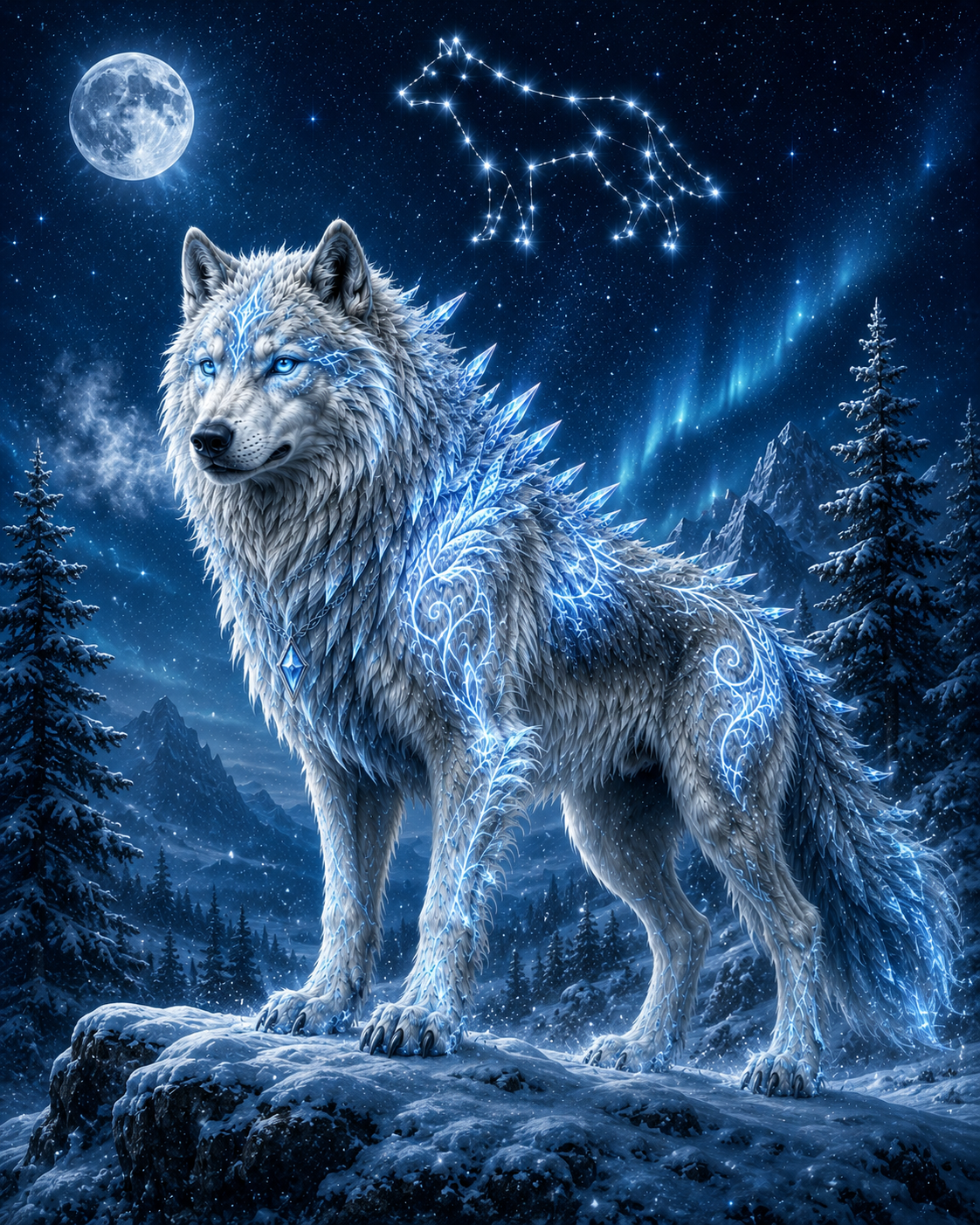
Winterwolf
"The winter whispers to the wise before it arrives."
Of all the ways of seeing, the Winterwolf's is the deepest and quietest — the sight that doesn't look, but feels. A Winterwolf doesn't reason out what's coming; it feels it arrive in the body before the mind has words for it: the drop in the room, the wrongness in a friendly voice, the name you think of a moment before the phone rings. This is the oracle's gift, real and unglamorous — the knowing that comes uninvited and won't be argued out of. A Winterwolf is a tuning fork for the unseen.
It's called the Winter wolf for a reason. Winter strips the world bare, every track visible in the snow — and the winter wolf belongs to that season: enduring what would break others, loyal past reason, gentle at its core beneath a coat built for the cold. To carry this gift is to weather what would break a warmer heart, and stay tender anyway. It is the hero's Constellation, and the rarest of the Five.
The cost: to know too much, too soon, and too alone. The Winterwolf's hardest years are the ones spent not understanding its own gift. But the sight was never a curse of dread — it's a call to stewardship. To see what's coming is to be given time to help.
Mode of sight — knows it
↑ Back to the Five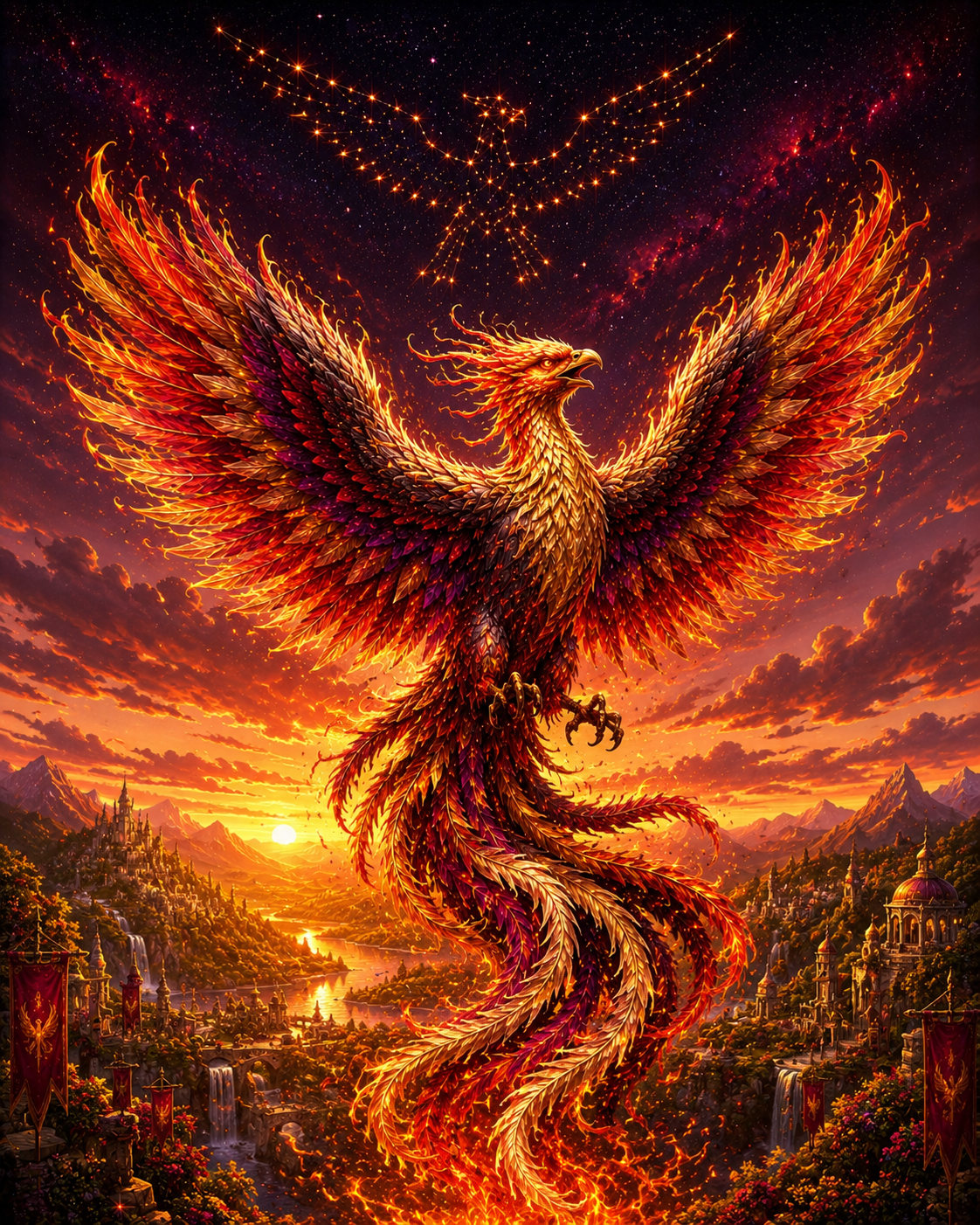
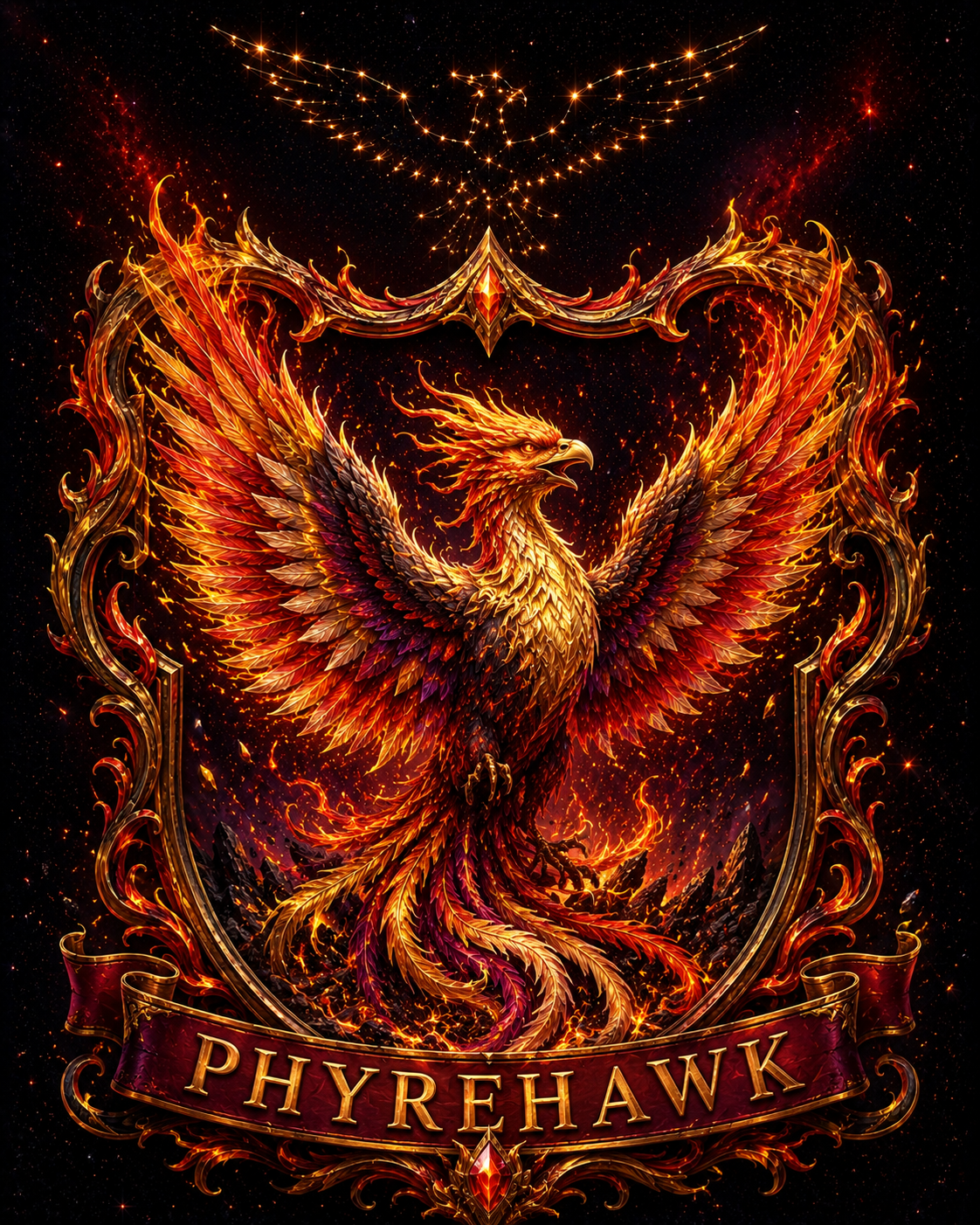
Phyrehawk
"The flame shows what the smoke hides."
Where the Winterwolf feels what's coming, the Phyrehawk does something about it. It takes in the whole of the present from a great height — the way an eagle reads a valley — and then it moves. A Phyrehawk understands a thing by changing it.
At its heart is the oldest cycle there is: birth, death, and rebirth in a single creature. The phoenix meets the end of a thing not as an ending but as a doorway — it walks into its own fire, lets what's spent and false burn away, and rises from its own ash, renewed. And the fire does two things at once, for they're the same thing: it renews, and it reveals. What is false goes up first; what is real was never the fire's to take. So a Phyrehawk is both the great transformer and the burner-away of masks — its warmth gets a stuck room moving again, and its light leaves the liar nowhere to stand.
The cost: fire that forgets what it's for — burning down what might have been mended, mistaking motion for progress, or giving all its warmth away until there's nothing left to rise from. Even a phoenix must rest a while in the ash before it flies again.
Mode of sight — acts on it
↑ Back to the Five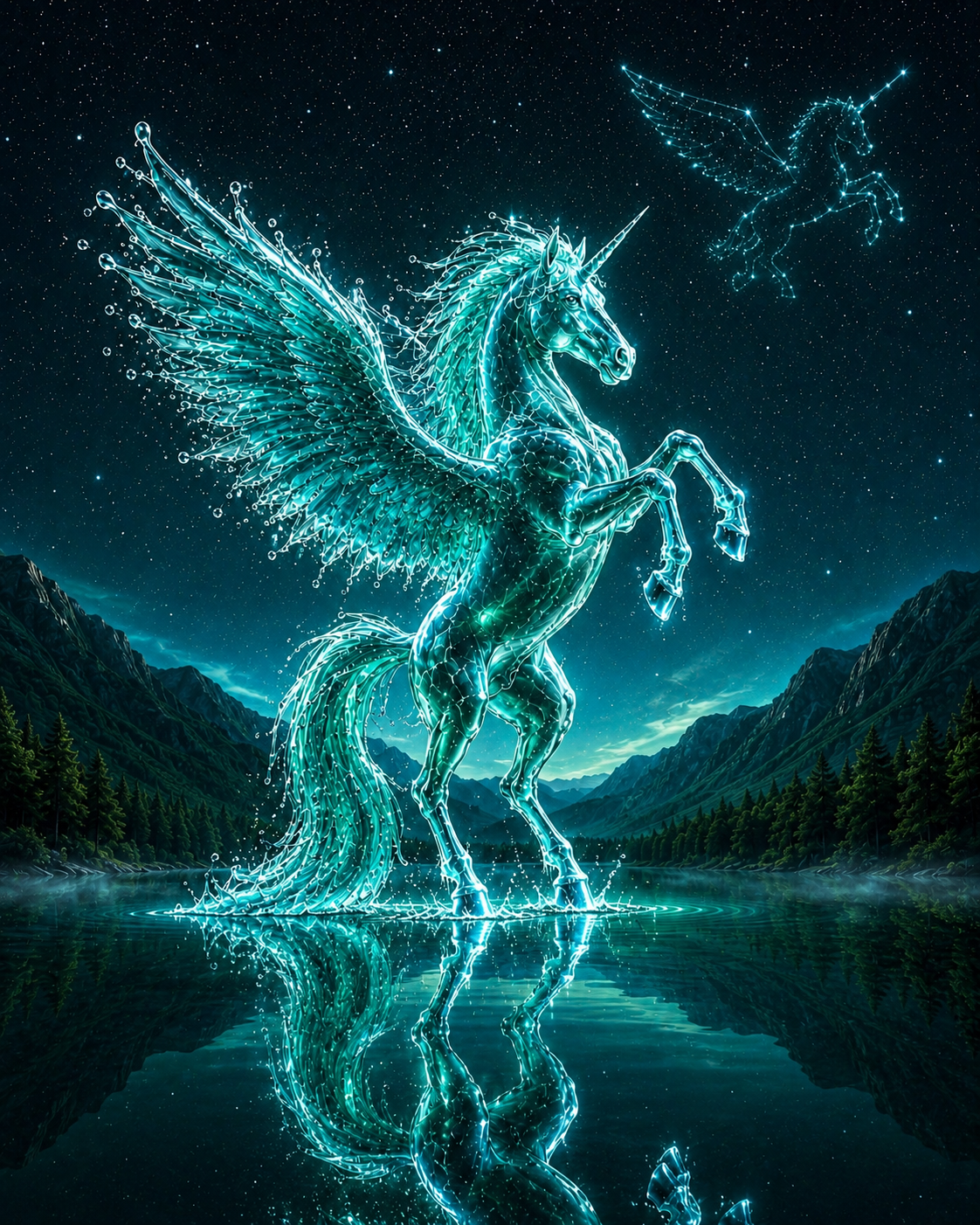
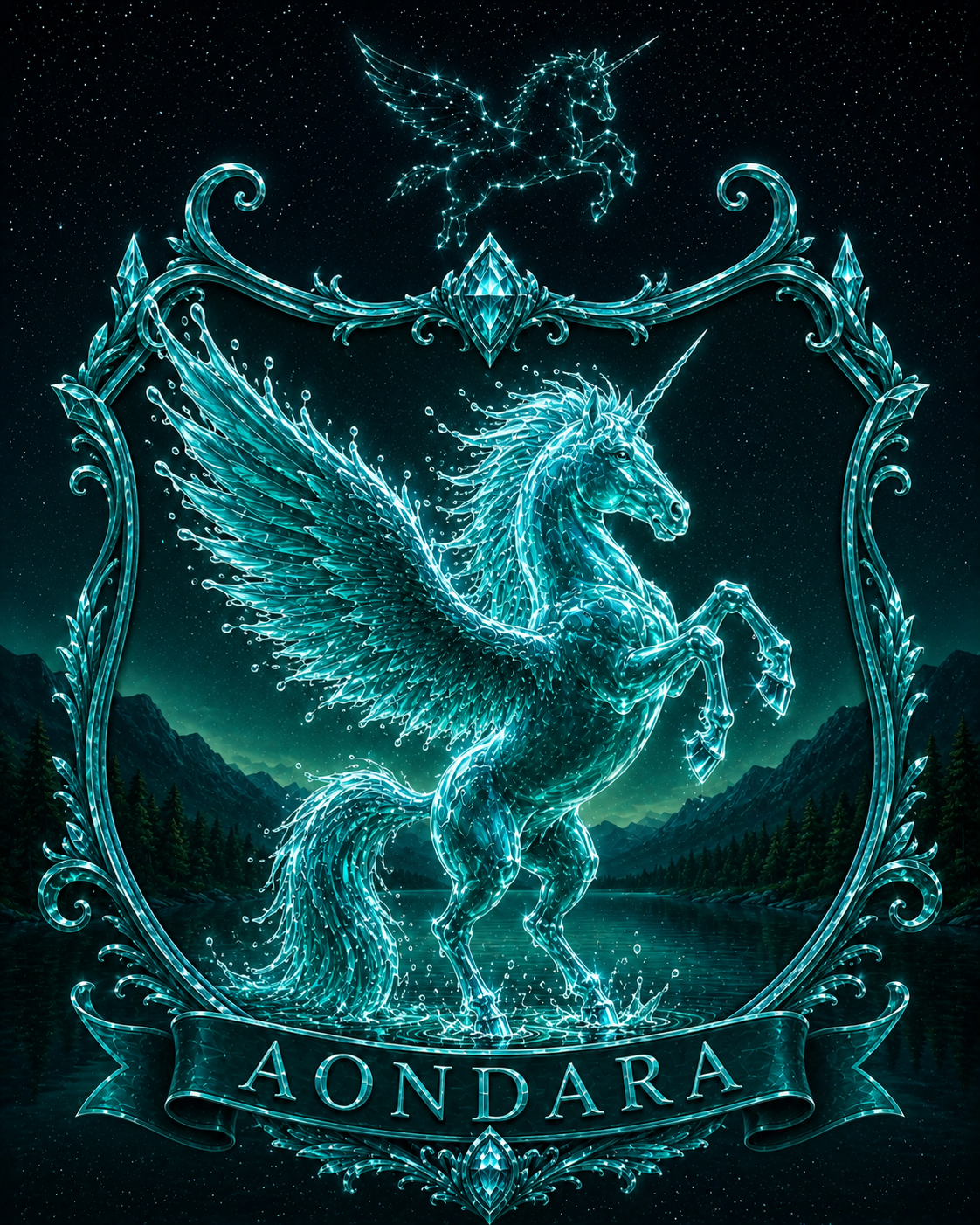
Aondara
"Nothing false survives the water's gaze."
Every other house sees the world; Aondara sees into it. It looks past the mask a person presents — the performance, the polite fiction — and finds the real face behind all three. Water is a mirror: to stand before a still pool is to be shown yourself, ready or not. So it is to meet an Aondara.
This is the purest of the creatures and, in the same breath, the trickster house — and there's no contradiction in that. The water-unicorn is playful the way a clear stream is playful, and its tricks are never cruelty; they're the pin that pops the pompous, the joke that reveals what a person is really made of. To be Aondara is to carry insight, beauty and imagination as one gift — the friend who knew you were hiding something before you did, and loved you through it anyway.
The cost: the mirror can wound. A house that feels everything can drown in it, losing which feelings are its own; and the gift for reflection has a knife's edge. Its lesson is mercy — that seeing through someone is a trust, not a weapon, and the kindest mirror leaves people room to become more whole.
Mode of sight — sees through it
↑ Back to the Five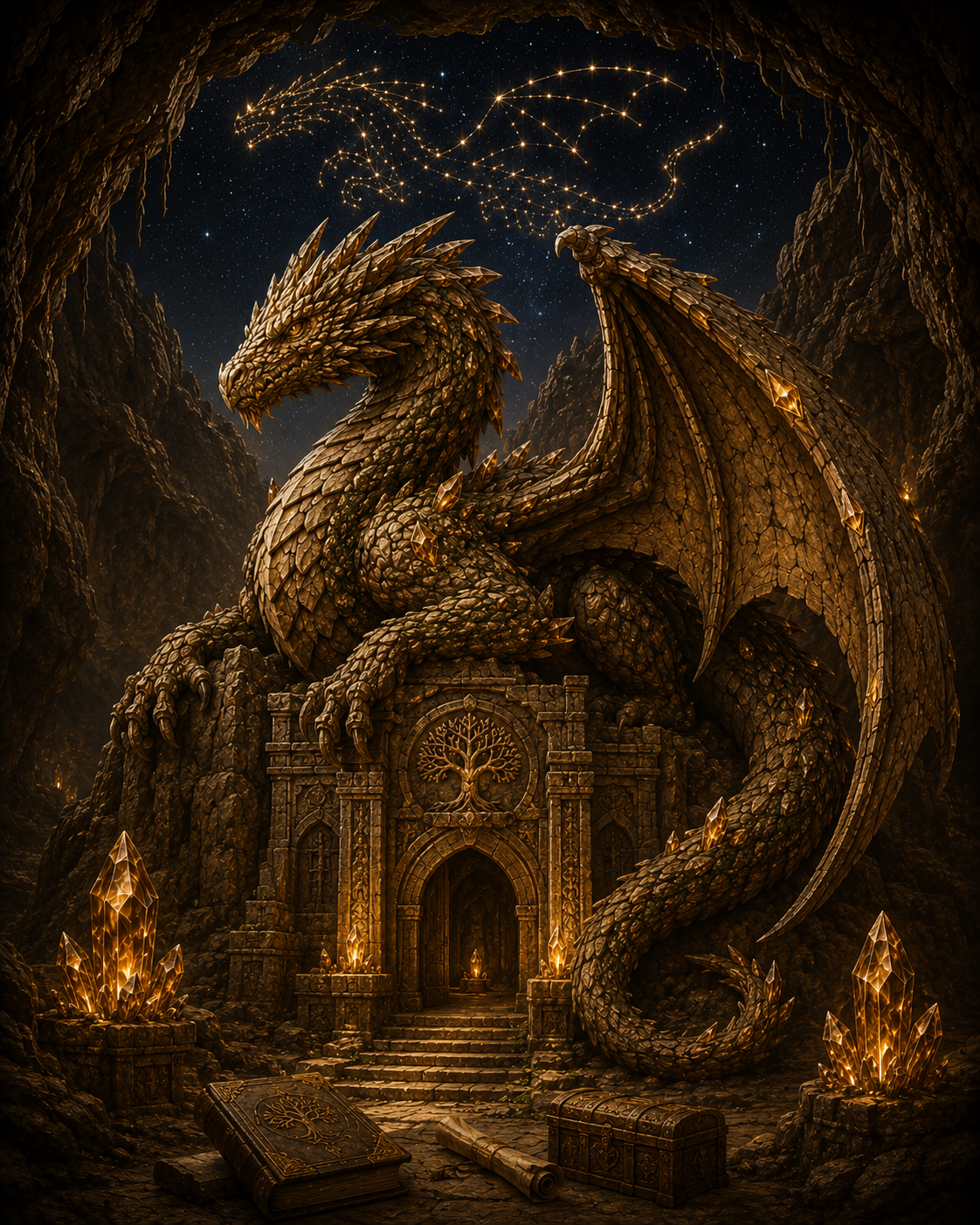
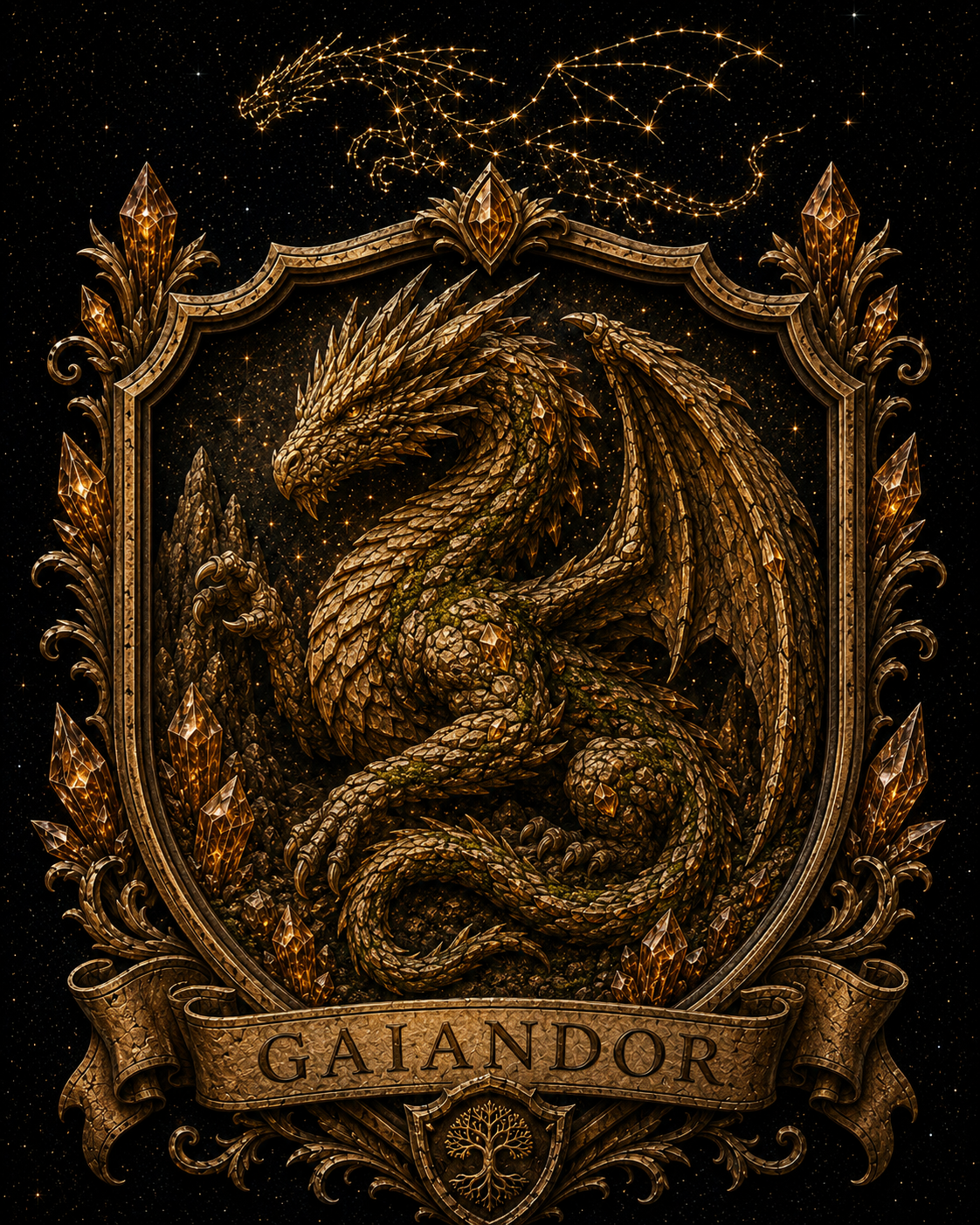
Gaiandor
"The earth remembers what the world forgot."
Where the Winterwolf feels what's coming, Gaiandor remembers — the sight that looks backward and downward, into root and rock and the long buried record of what already happened. Nothing is truly lost to a Gaiandor; it's only buried, and a Gaiandor knows where to dig.
This is the Keeper. Picture the dragon on its hoard — but the hoard isn't gold. It's knowledge: the lost history, the forgotten name, the real account beneath the convenient one. A Gaiandor guards these the way a dragon guards treasure, because it understands what a hurrying world forgets — that a people who lose their memory lose themselves. But a dragon isn't born wise; it grows wise. A young Gaiandor grabs at what shines and mistakes glitter for worth; the mature one is the opposite, and rare — the first to recognize real value when everyone else is still staring at the sparkle.
The cost: the young dragon fooled by the glitter — prizing the hoard over the living people it was meant to serve, or gripping a truth so tightly it becomes obsession. Its lesson is discernment: that the most precious thing a Keeper holds is never the gold, but the people the gold was always meant to serve.
Mode of sight — holds it
↑ Back to the Five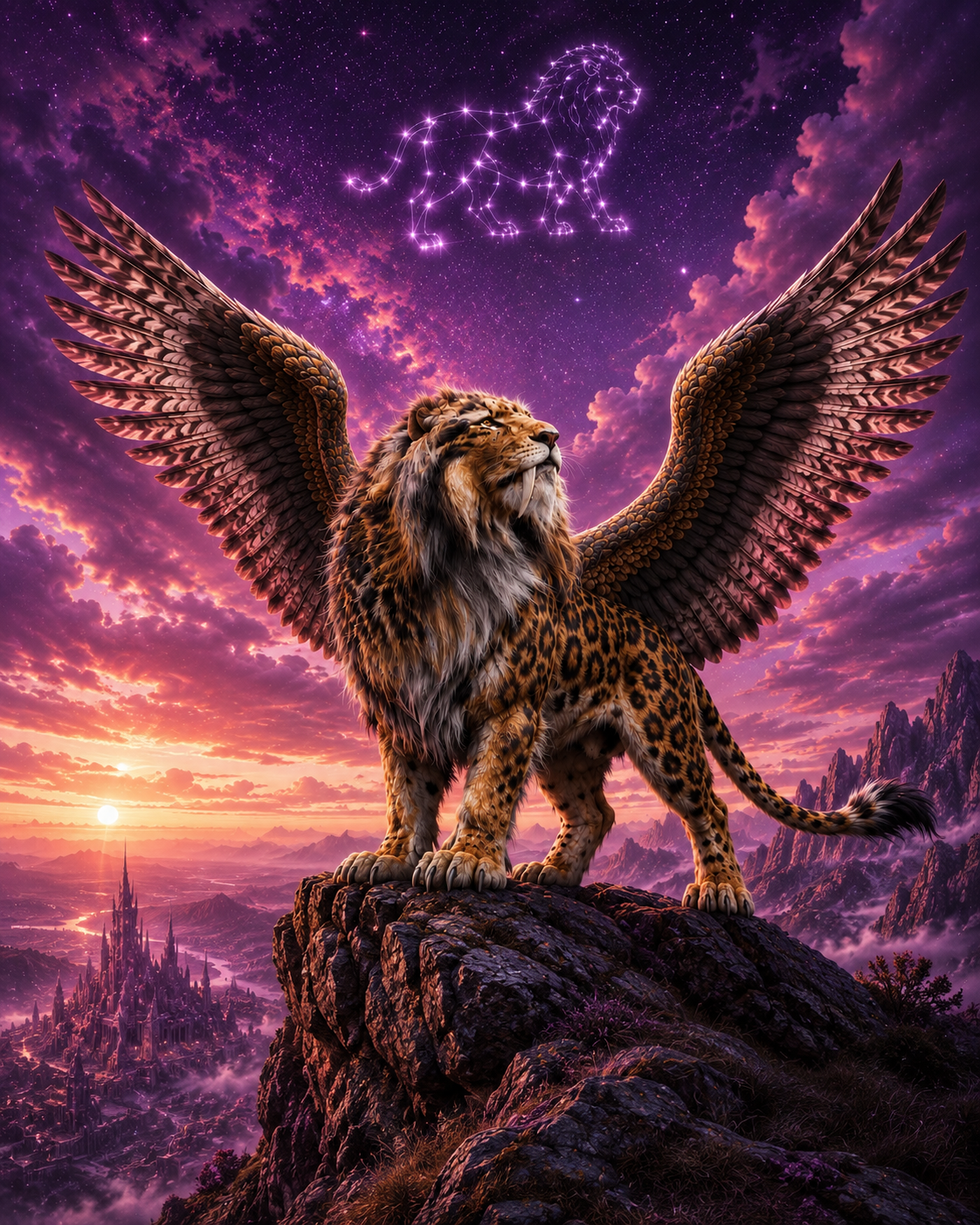
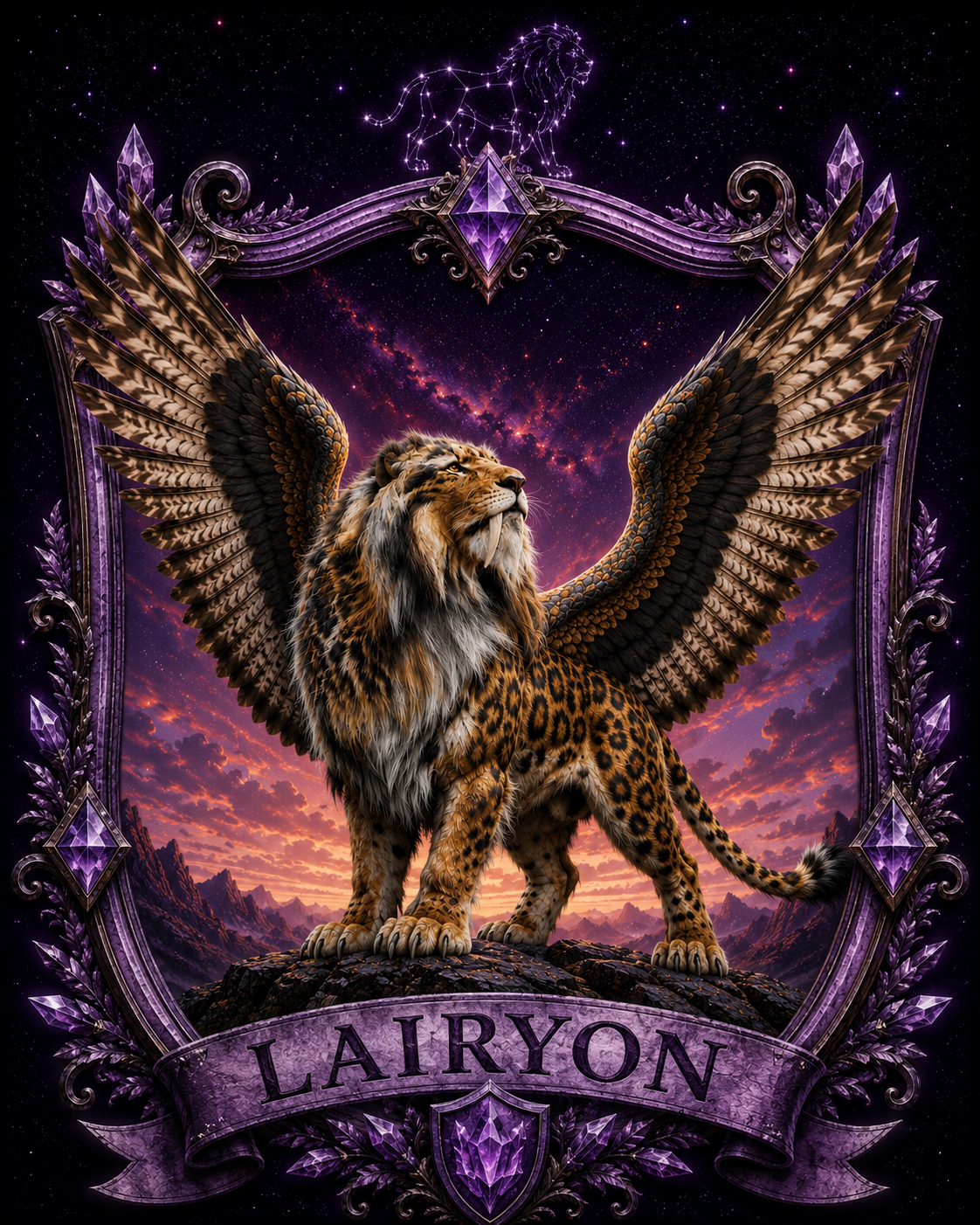
Lairyon
"Every truth leaves a trail on the wind."
This is the mind that arrives at what's real by walking to it, one visible step at a time. Where the Winterwolf simply knows and the Aondara simply sees, a Lairyon shows its work — follows the trail, weighs the evidence, and lays the whole chain of reasoning out so plainly that once you've seen it, you can't unsee it. Air is the mind's own element, the wind that carries every scent and leaves nothing truly hidden.
Its foresight isn't felt — it's deduced, the way a great detective maps a fight before a blow is thrown: pattern, run forward. The name holds the whole house — the lion's heart, the wind's mind — and the wings don't make the heart smaller. It takes nerve to follow a question to an answer nobody wanted and say it out loud. But a Lairyon's real secret isn't how much it knows; it's how well it can unlearn — holding its own conclusions loosely enough to set them down when a better one appears.
The cost: cold brilliance, and pride that won't admit a wrong answer. The gift only stays a gift as long as the lion keeps the heart in it.
Mode of sight — reasons it out
↑ Back to the Five